THE HAIRCUT FIELD GUIDE

Haircut names & types, explained.

What is the name of that haircut? Explore 17 popular cuts, learn the visual differences between fades, crops, bobs and layered styles, and find the words to explain a reference photo.

Haircut terminology changes between barbers, salons and regions. Use the names here as a starting point, then compare the shape, length and details you can actually see.

17 named hairstyles5 easy categories1 visual reference guide

01 / THE STYLE DIRECTORY

Popular haircut names at a glance.

Different types of haircuts are easier to recognize when you compare more than the name. Each entry below includes a defining clue, a common variation or distinction, and a guide to discussing that style with a professional.

01 / GRADUAL LENGTH

Fades & tapers

Fades and tapers describe how hair transitions from one length to another.Pay attention to where the shortest hair begins, whether the blend curves around the ear, and how high the graduation travels.
03 STYLES
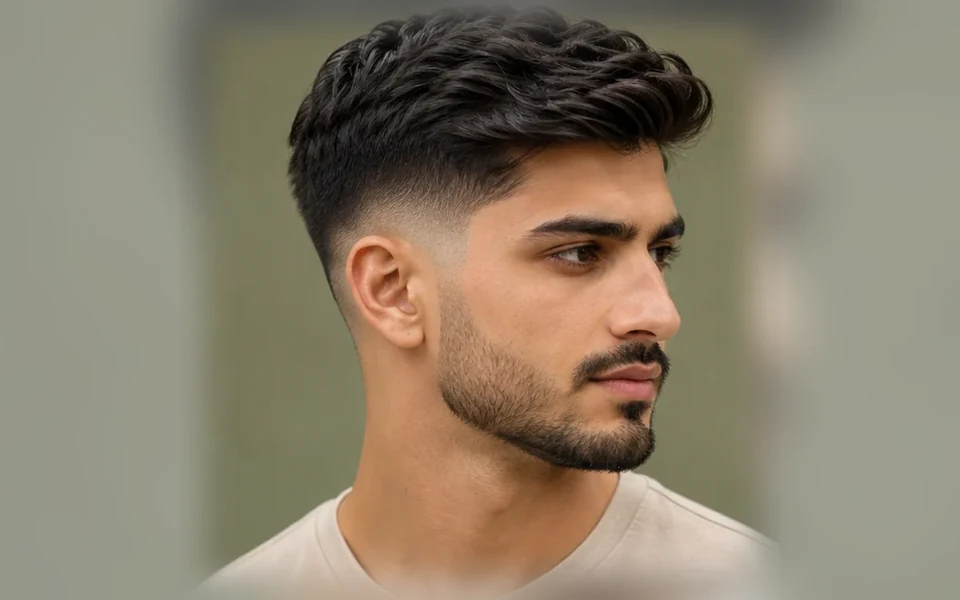
Low taper fade with a subtle blend around the temples and hairline01Variable top
Fades & tapers

Low Taper Fade

A subtle taper that shortens the hair around the temples and nape while preserving fullness higher on the sides.

What to look for

A subtle blend at the temples and nape, with more hair left on the upper sides.

Unlike a higher fade, the shortest area stays close to the hairline.

See the haircut guide
Side view of a taper fade with short graduated sides and longer styled top02Variable top
Fades & tapers

Taper Fade

A haircut featuring graduated shorter hair around the edges, often with a stronger transition than a traditional taper.

What to look for

Hair gradually gets shorter toward the edges rather than ending in one hard step.

Specify where the blend should begin; the term is used differently by barbers.

See the haircut guide
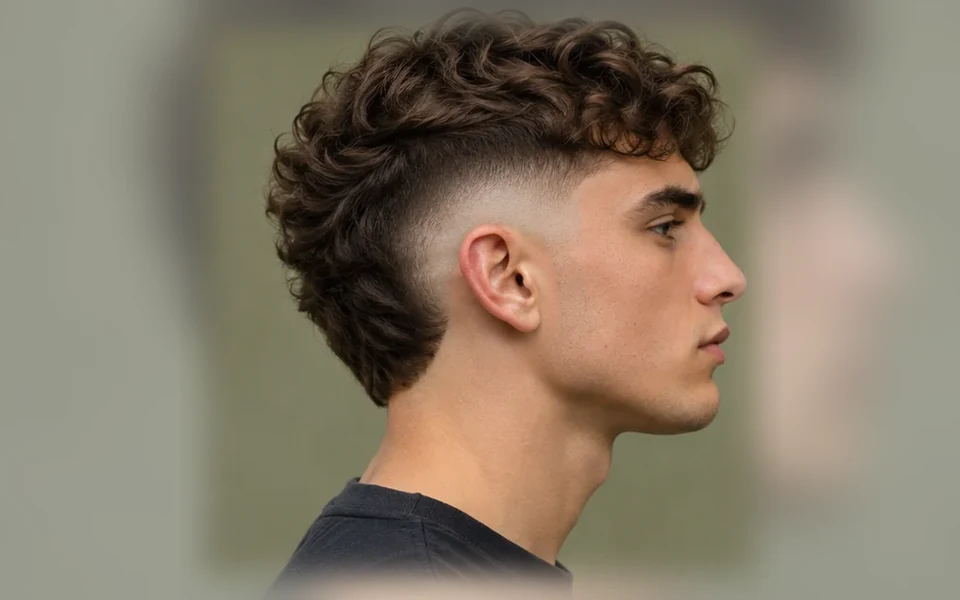
Profile view of burst fade curving around the ear with longer hair behind03Variable top
Fades & tapers

Burst Fade

A fade that curves around the ear, often creating a rounded graduation toward the back.

What to look for

A curved fade wraps around the ear instead of running straight across the sides.

Often paired with a mullet, mohawk-inspired shape, or longer hair behind the ear.

See the haircut guide

02 / CLOSE-CUT SHAPES

Short haircuts

Short haircuts can look very different even when the overall length is similar.A buzz cut emphasizes an even close crop; a pixie uses shaped sections; a textured crop features a short, defined top.
05 STYLES
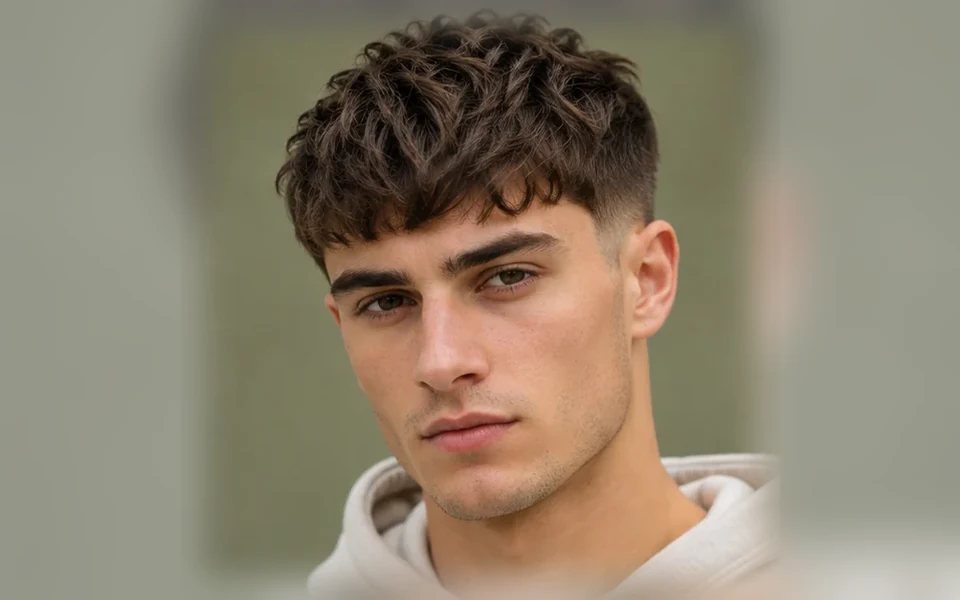
Textured crop with tousled short hair and a choppy forward fringe01Short
Short haircuts

Textured Crop

A short crop with deliberate movement or separation through the top and often a small fringe.

What to look for

Short, separated pieces on top and a fringe that may point forward.

A French crop is one familiar variation; the fringe can be blunt or uneven.

See the haircut guide
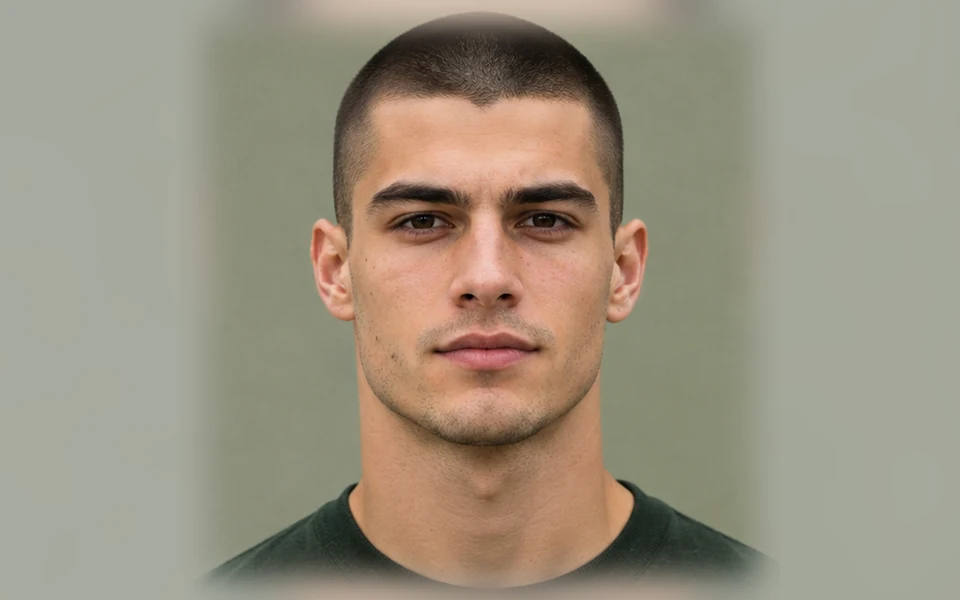
Close-cropped buzz cut with short even hair across the scalp02Very short
Short haircuts

Buzz Cut

A closely cropped haircut with generally even length, though faded and tapered versions also exist.

What to look for

A close-cropped outline with little visible length through the top.

An even buzz differs from a faded buzz; the guard number must be chosen in person.

See the haircut guide
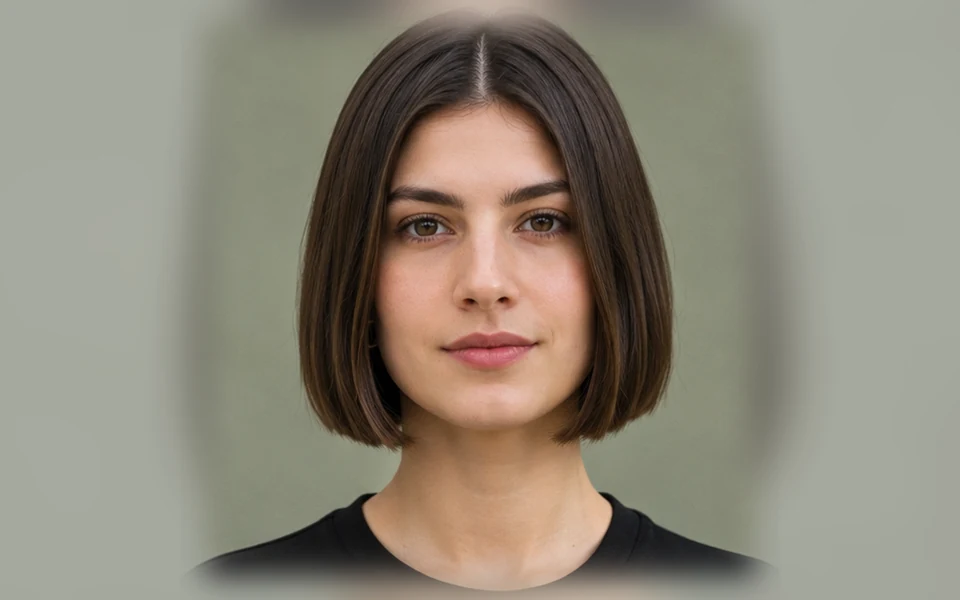
Blunt dark-brown bob haircut ending near the jaw with a clean outline03Short–medium
Short haircuts

Bob Haircut

A haircut that typically ends around the jaw or neck; bobs can be blunt, layered, angled, or textured.

What to look for

A defined perimeter that usually sits near the jaw, chin, or nape.

Look for a blunt edge, stacked back, or graduation before naming the variation.

See the haircut guide
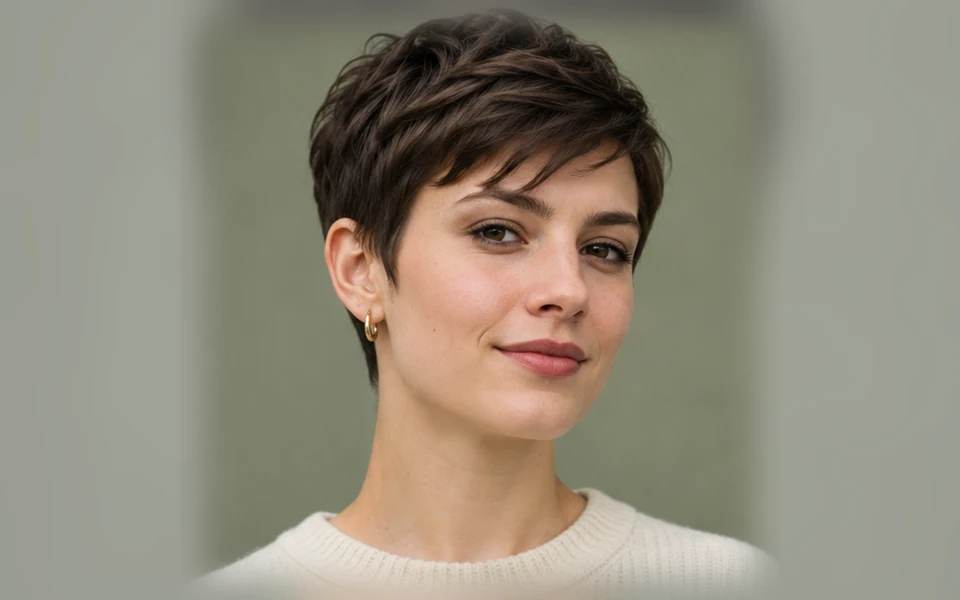
Short brown pixie haircut with soft side-swept fringe and cropped neckline04Very short–short
Short haircuts

Pixie Cut

A short haircut with cropped sides and back, usually leaving varying texture or length on top.

What to look for

Cropped hair around the ears and neck, with optional longer fringe or crown pieces.

A pixie can be soft and layered, sharply cropped, or grown into a longer bixie.

See the haircut guide
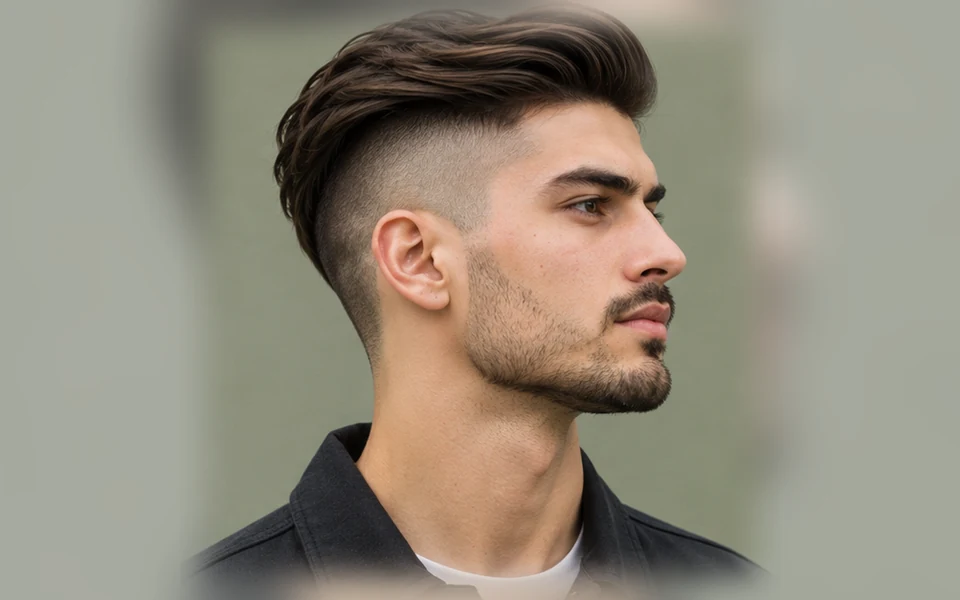
Profile of an undercut with disconnected short sides and longer swept-back top05Variable top
Short haircuts

Undercut

A haircut where longer top hair contrasts sharply with short or shaved sides.

What to look for

Noticeably longer hair on top contrasts with much shorter sides or back.

A disconnected undercut has a clear break; a fade blends the change in length.

See the haircut guide

03 / SHAPE & MOVEMENT

Medium & shaped cuts

Medium hairstyles are often recognized by their parting, outline, or front volume.A curtain haircut frames the face, a lob follows a longer bob perimeter, and a quiff depends on how the front is styled.
04 STYLES
Medium-length curtain haircut with center part and face-framing hair01Medium
Medium & shaped cuts

Curtain Haircut

A style with longer front sections parted around the middle or slightly off-center.

What to look for

A center or off-center part divides longer front sections around the face.

Curtains describe the parted shape; the underlying haircut may be layered.

See the haircut guide
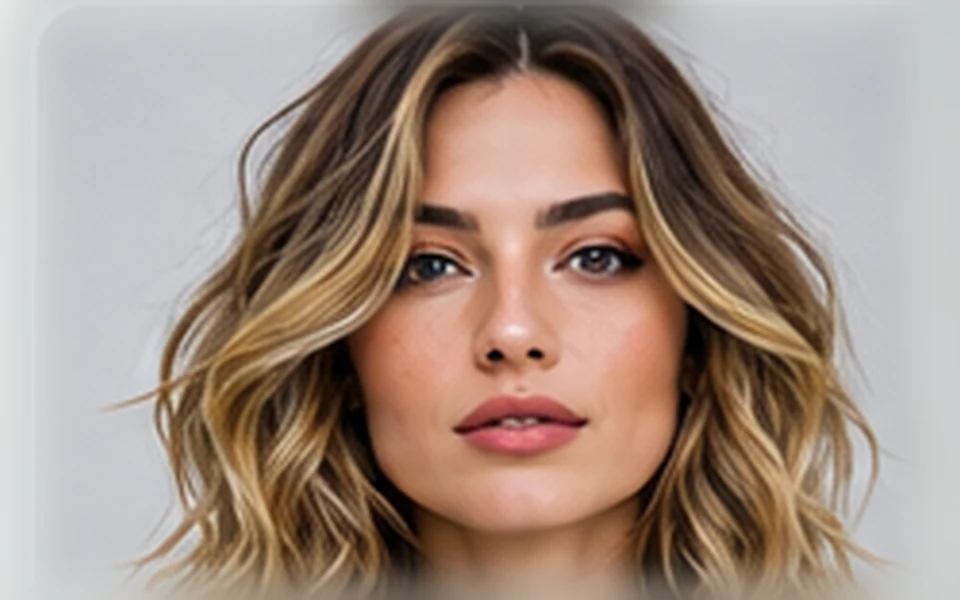
Lob hairstyle with shoulder-length wavy hair and soft face-framing strands02Medium
Medium & shaped cuts

Lob Haircut

A longer bob that generally falls around the collarbone or shoulders.

What to look for

A bob-like silhouette that skims the collarbone or shoulders.

A lob has more length than a classic chin-length bob and can be blunt or layered.

See the haircut guide
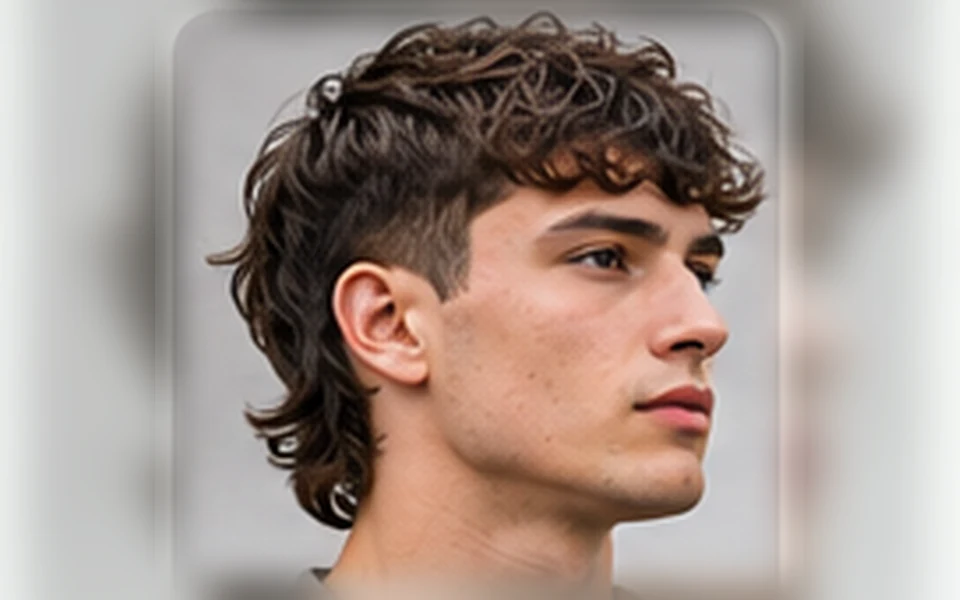
Modern textured mullet with short sides and longer hair at the back03Medium–long back
Medium & shaped cuts

Mullet

A haircut with shorter hair in front or at the sides and greater length at the back.

What to look for

Shorter front or sides contrast with visibly longer hair at the back.

A modern mullet can have a faded side; a wolf cut usually has more blended layers.

See the haircut guide
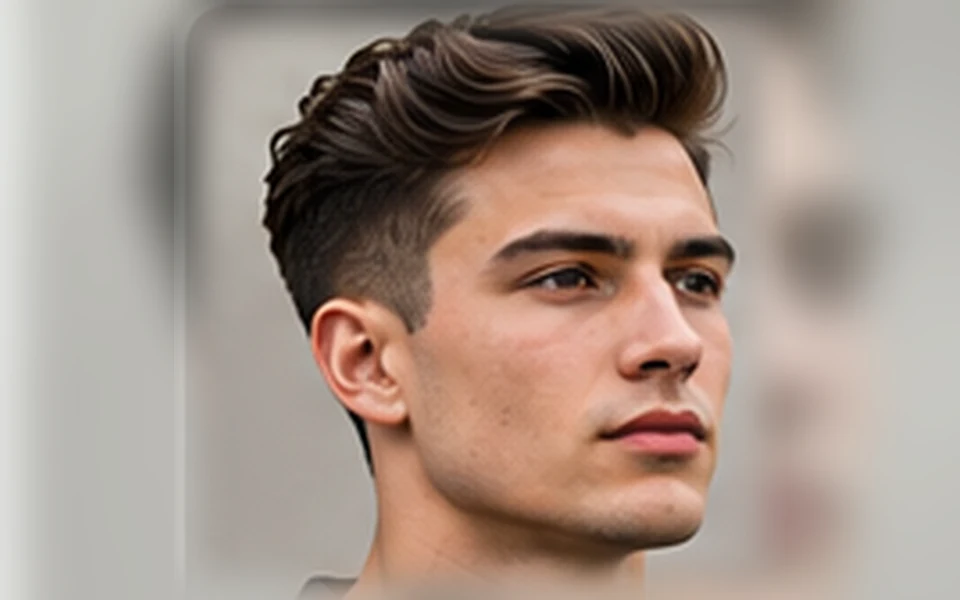
Men’s quiff with lifted swept-back front and neatly tapered sides04Short–medium
Medium & shaped cuts

Quiff

A styling silhouette that lifts or sweeps the front hair upward and back.

What to look for

The front is swept or lifted up and back to create a prominent shape.

A quiff is partly a styling method; a pompadour tends to emphasize smoother volume.

See the haircut guide

04 / LAYERED TEXTURE

Layered styles

Layered haircuts use different lengths to create motion, volume, and a particular outline.The position of the shortest layers helps distinguish a shag, wolf cut, or butterfly cut even when photographs look similar.
03 STYLES
Layered wolf cut with a tousled crown fringe and wispy longer lengths01Medium–long
Layered styles

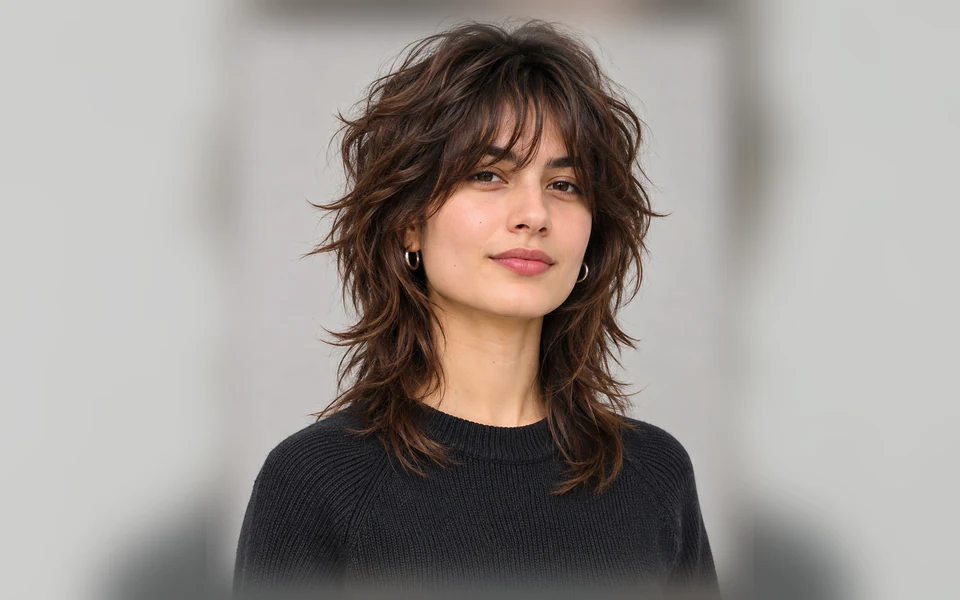
Wolf Cut

A layered cut combining volume around the crown with a shaggier, often longer outline.

What to look for

Fuller crown layers contrast with shaggier, lighter-looking lengths below.

Often described as a shag-mullet hybrid, but the balance varies by stylist.

See the haircut guide
Butterfly haircut with shorter feathered face-framing layers and long flowing hair02Medium–long
Layered styles

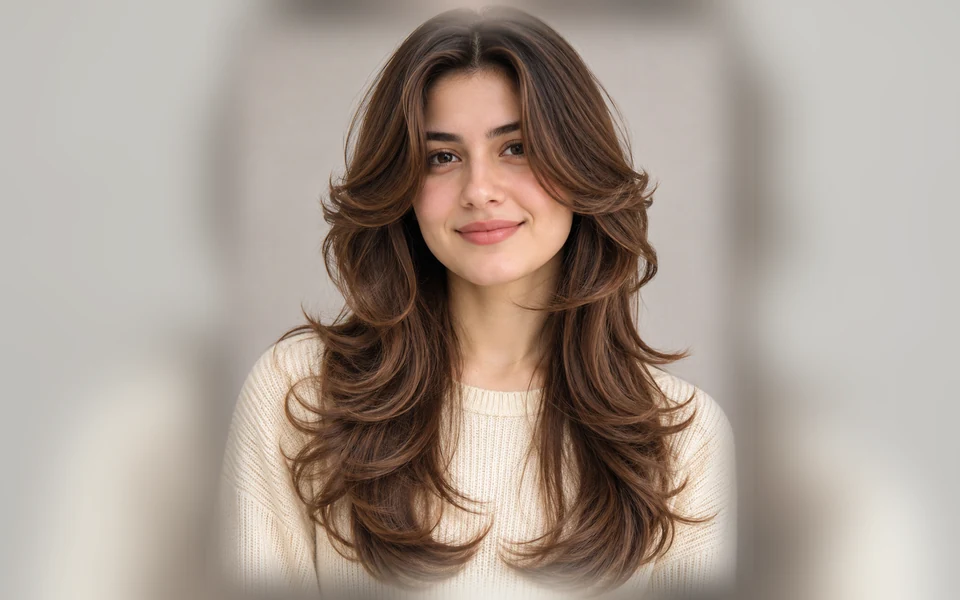
Butterfly Cut

Longer layered hair with shorter face-framing sections that create a lifted shape.

What to look for

Shorter face-framing layers sit above longer hair that retains its overall length.

The layers create a lifted look without requiring a blunt short haircut.

See the haircut guide
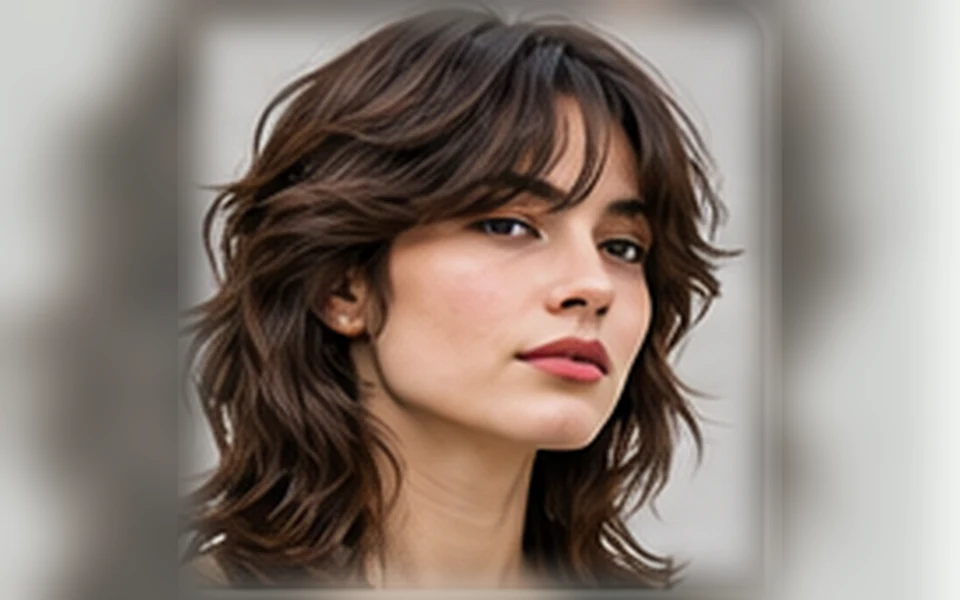
Shag haircut with airy choppy layers, textured crown and wispy bangs03Short–long
Layered styles

Shag Haircut

A heavily layered haircut with movement and texture around the crown and face.

What to look for

Many connected layers create movement around the crown, sides, and face.

A classic shag is less defined by a long back than a mullet or some wolf cuts.

See the haircut guide

05 / BRAID PATTERNS

Braided & protective styles

Braided and protective hairstyles are identified by their parting and braid construction.Box braids are individual plaits; cornrows are braided close to the scalp. Comfort and tension matter as much as appearance.
02 STYLES
Long individual box braids hanging from neatly divided root sections01Variable
Braided & protective styles

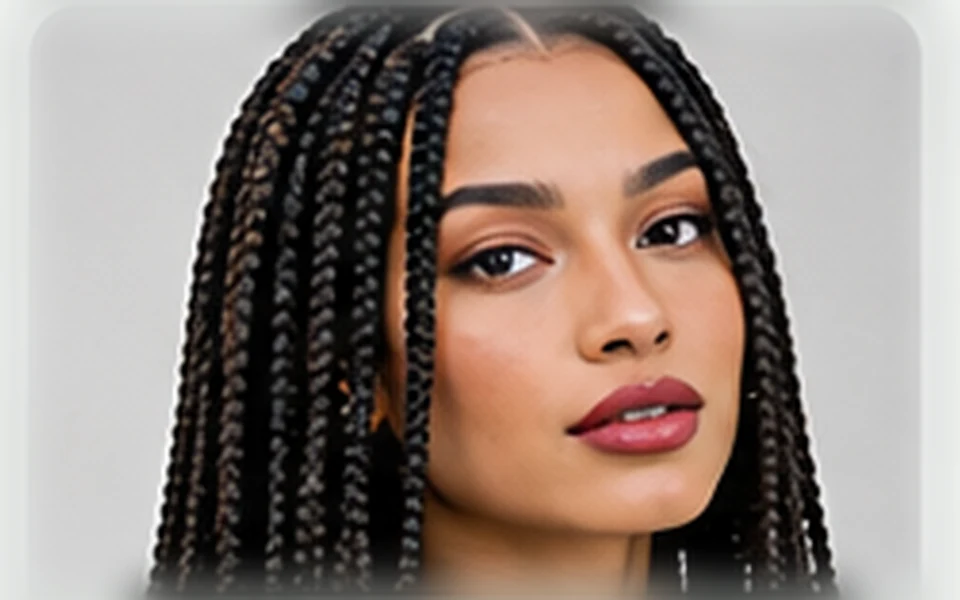
Box Braids

A braided protective hairstyle consisting of individual braids organized into sections.

What to look for

Individual braids begin from separated sections, frequently square-shaped.

Parting size, braid thickness, extensions, and braid length can vary widely.

See the haircut guide
Cornrows braided in rows along the scalp, shown from a three-quarter profile02Variable
Braided & protective styles

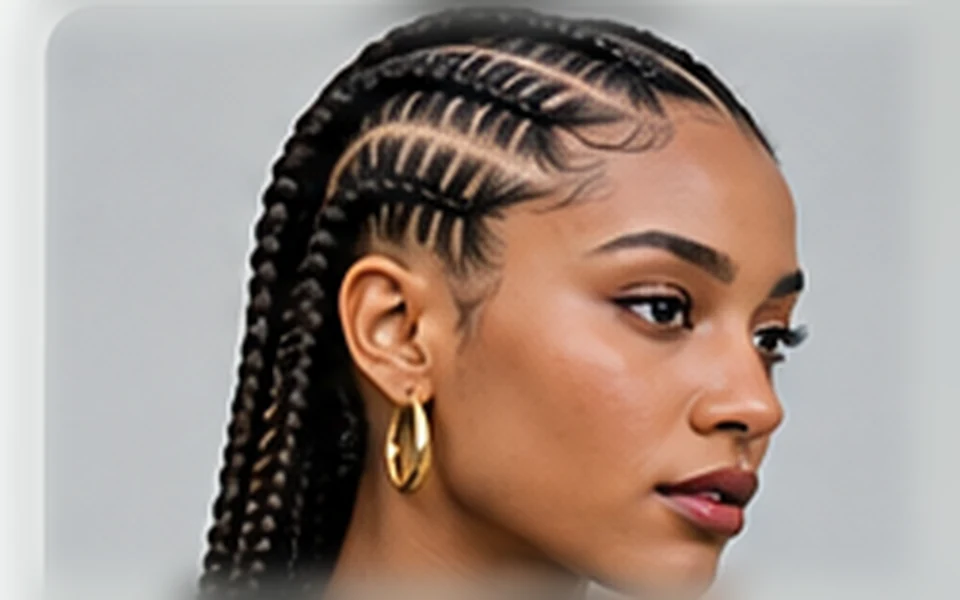
Cornrows

Braids formed close to the scalp in rows, with many possible patterns and directions.

What to look for

Braids follow the scalp in visible rows or more intricate patterns.

Unlike hanging individual box braids, the braid structure sits close to the scalp.

See the haircut guide

02 / QUICK COMPARISON

Which haircut looks like which?

Some haircut styles look alike in a single photo. A side or back view can reveal the difference between a fade and undercut, a bob and lob, or a wolf cut and shag.

Haircut nameMain identifying featureOften confused withBest photo angle
Low taper fadeBlend stays near the temples and napeHigher skin fadeSides and neckline
Textured cropShort top with separated pieces and fringeBuzz cutFront and top
UndercutNoticeable contrast between top and sidesBlended taperSide profile
Curtain haircutParted, face-framing front sectionsQuiffFront and parting
Bob vs. lobBob ends higher; lob typically reaches shouldersLayered medium cutFront and side
Wolf cutShort crown layers with a shaggier outlineShag or mulletSide and back
Butterfly cutShort face-framing pieces over retained lengthOne-length long hairFront and sides
Box braidsSeparate braids with sectioned rootsCornrowsRoots and full length

Hair length and style names are approximate. Hair texture, styling and regional terminology can change how a cut looks or what it is called.

03 / IMAGE IDENTIFICATION

How to identify a haircut from a picture.

Trying to find the name of a hairstyle from a photo? Start with its shape, not a trend label. A haircut can share its name with several variations, and styling can disguise the cut underneath.

For a closer match, compare the front, profile and back when possible. One image may not show the neckline, whether the sides are disconnected, or where the shortest layers begin.

Try the AI hairstyle identifier
01

Check the length

Is the top close-cropped, ear-length, shoulder-length or longer? Compare its length with the sides and back.

02

Inspect the sides

Look for a gradual fade, short tapered edges, or a sharp contrast like an undercut.

03

Notice the fringe and part

A blunt fringe, curtains, side part or lifted front can be the feature that separates similar cuts.

04

Look for layers and texture

Short crown pieces, face-framing layers and the back outline help distinguish a shag, wolf cut or butterfly cut.

04 / REAL-WORLD ADVICE

Know the name. Explain the cut.

Learning haircut names helps you start a conversation, but a precise reference helps you finish it. Tell your barber or stylist which parts you want to keep and which you want to change.

Mention the length you want to keep Point out the sides and neckline Describe the fringe, part or layers Ask about styling and maintenance
Read the barber communication guide
EXAMPLE: LOW TAPER FADE
“Please keep some length on top and taper the hair low around my temples and neckline. I want a soft blend, not a high fade.”

Use a side-profile photo to show how high you want the shortest area.

EXAMPLE: LAYERED CUT
“I want face-framing layers with the overall length preserved. Can we choose where the shortest layer should start?”

This is more specific than asking for a butterfly cut by name alone.

05 / COMMON QUESTIONS

Haircut names FAQ.

Not every hairstyle has one universal name. These answers explain how to compare cuts and describe them clearly.

How can I find the name of a haircut from a picture?

Look at the top length, side blend, fringe, layers and outline at the back. Compare those features with named haircut examples. If you still cannot identify the style, upload a clear reference photo to an AI haircut identifier and confirm the suggested name with your barber.

What are the main types of men's haircuts?

Common men's haircut names include buzz cut, textured crop, taper fade, low taper, undercut, quiff, curtains, mullet and wolf cut. These names describe different shapes, lengths or styling methods, and many styles can be worn by anyone.

What haircut names are common for women?

Frequently requested haircut names include bob, long bob (lob), pixie, shag, butterfly cut and wolf cut. Each can be adapted for different hair textures, lengths and styling preferences; haircut names are not limited to one gender.

What is the difference between a fade and a taper?

Both involve a gradual change in hair length. A taper often focuses that shortening around the natural edges, including the temples and neckline. A fade may extend a more pronounced blend across the sides or back. Barbers sometimes use these labels differently, so show a reference photo.

Can the same haircut have different names?

Yes. Haircut names change across salons, regions and social platforms. A textured crop may be described as a French crop, for example, while shag and wolf cut descriptions can overlap. A photograph and a description of the shape are often clearer than the label alone.

What should I tell my barber if I don't know the haircut name?

Bring the reference image and describe the length you want to keep, where the sides should be shorter, how the fringe should sit, and what you want at the back. Ask the barber to explain how the haircut could work with your hair texture and growth pattern.

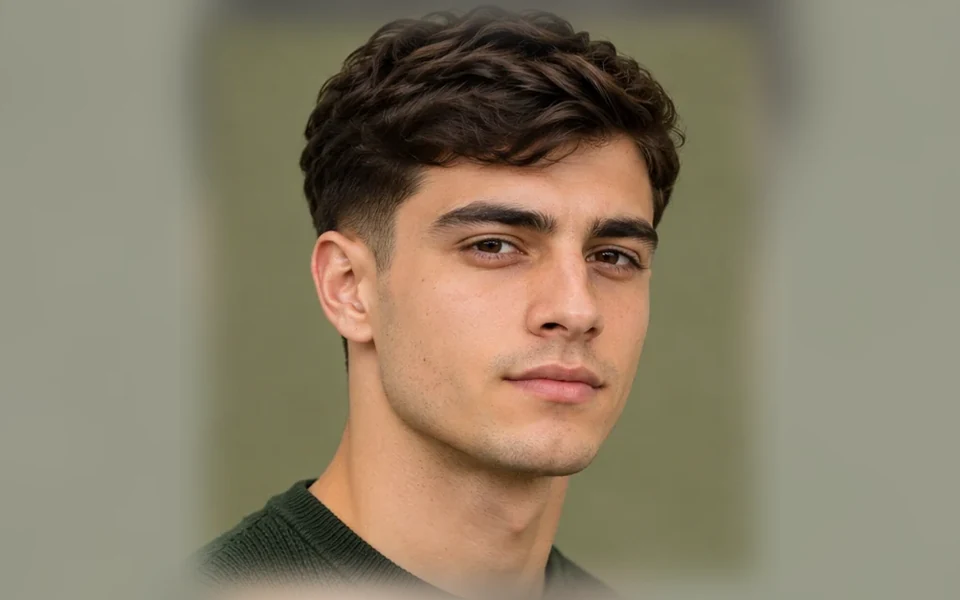
CAN'T FIND THE EXACT NAME?

Have a picture? We'll help describe it.

Upload a clear haircut reference for a likely style name, alternative names and barber-ready instructions.
Identify my haircut