
01
Crown layers
Shorter pieces through the crown lift the top and help create the rounded, airy shape people associate with the cut.
Look above the ears and around the topTHE HAIRCUT FIELD GUIDE / LAYERED STYLES
A wolf cut is a layered haircut with shorter, airy pieces around the crown and face and a lighter, often longer outline below. It combines the texture of a shag with some of the shape of a mullet, but the finish can be soft or dramatic.
Here is how to recognize a wolf cut from a photo, compare nine variations, and explain the result to your barber or stylist without relying on the name alone.
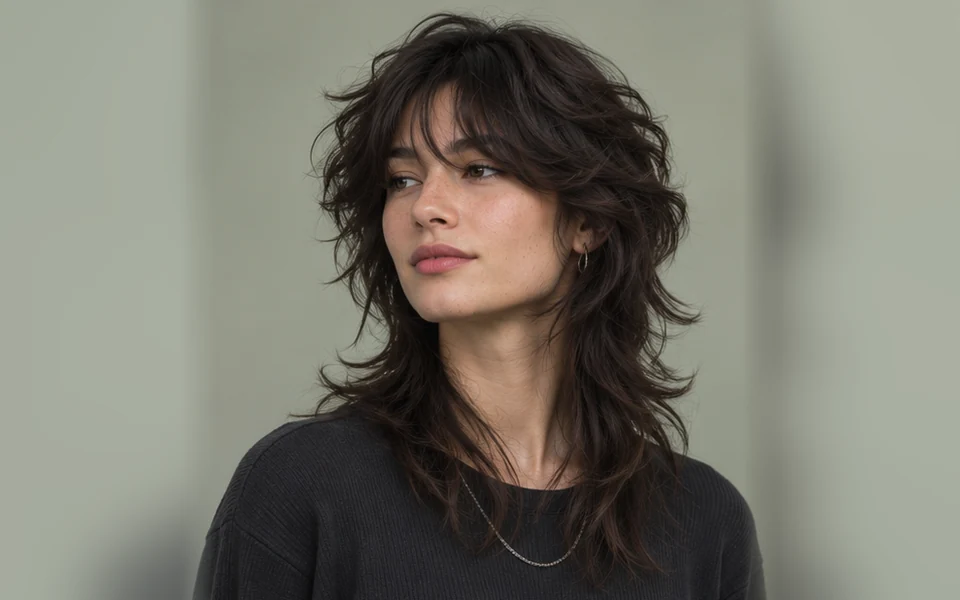 WOLF CUT REFERENCE
Check the crown and lower outline before choosing a style name.
01 / THE ESSENTIALS
A wolf cut is recognized by the relationship between its layers, not a fixed length or fringe. Look for the shape across the whole head instead of judging only the front.
Shorter pieces through the crown lift the top and help create the rounded, airy shape people associate with the cut.
Look above the ears and around the topA fringe, curtain bangs or shorter cheek-level layers bring movement toward the face. The exact placement is adjustable.
Look at the front and templesLower lengths usually look lighter and more separated than a blunt cut, sometimes with a noticeably longer nape.
Look at the profile and backKey distinction: A wolf cut can have a soft, blended transition or a much stronger short-to-long contrast. No single fringe shape, gender, or hair length defines every version.
02 / READ THE REFERENCE PHOTO
One photograph rarely shows everything. For a more accurate haircut identification, compare these three angles and notice where the shorter layers begin.
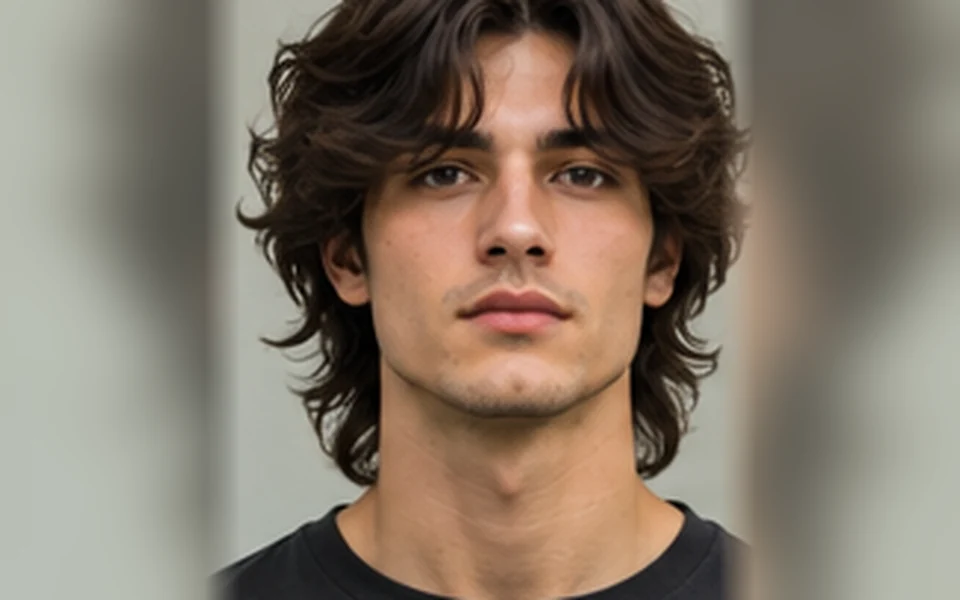 01 / FRONT VIEWPHOTO REFERENCE
Look for movement near the eyebrows, cheekbones and jaw. Front photos show how the hair frames the face, but they may hide the haircut’s length at the back.
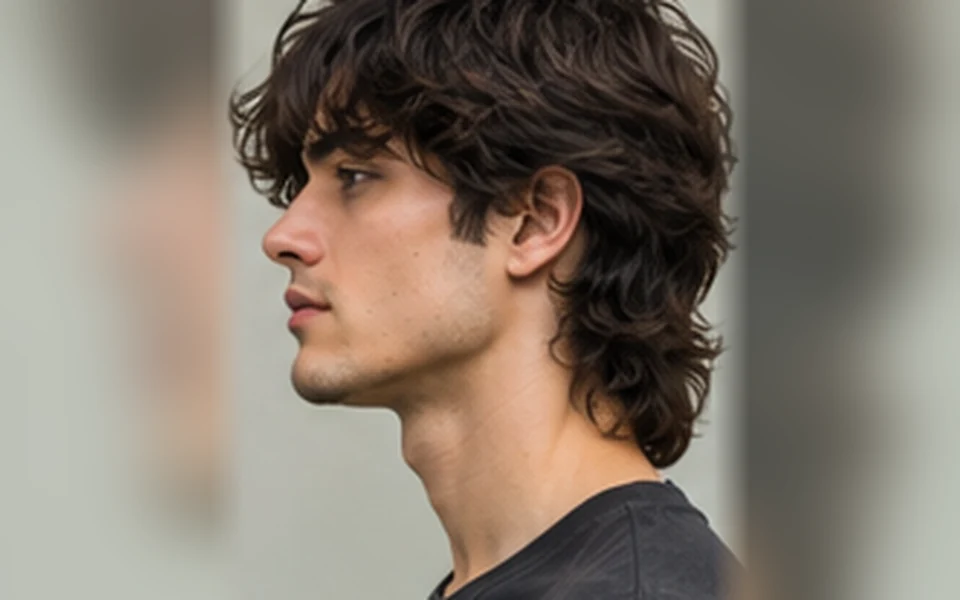 02 / SIDE VIEWPHOTO REFERENCE
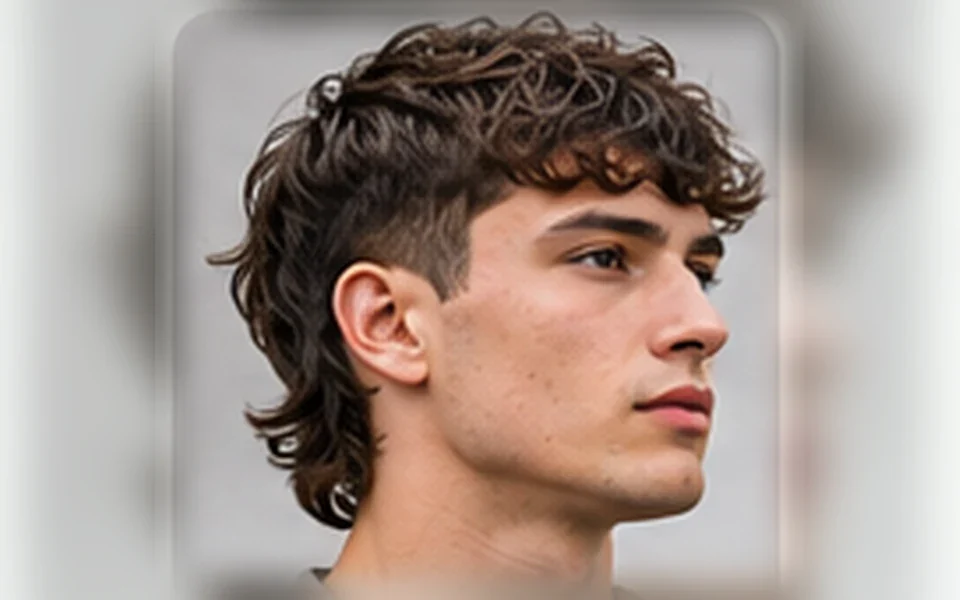
A side profile shows whether the crown is shorter than the lower lengths and how much weight remains behind the ears. This is useful for telling a soft wolf cut from a stronger mullet-like shape.
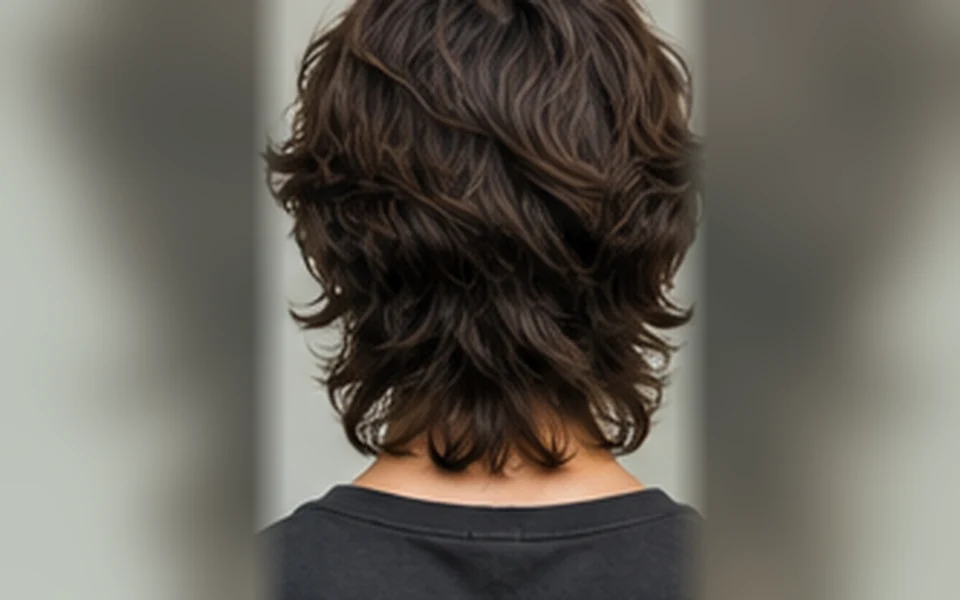 03 / BACK VIEWPHOTO REFERENCE
Look at the nape and the ends: are they long and wispy, softly connected or strongly separated? The back view tells your stylist how much length you want to preserve.
These example photographs highlight what to inspect at each angle. Bring a front, side and back photo of your chosen variation when discussing the finished shape.
03 / THE STYLE DIRECTORY
There is no single best wolf haircut for everyone. These variations show how length, fringe and natural texture change the shape while keeping the layered idea recognizable.
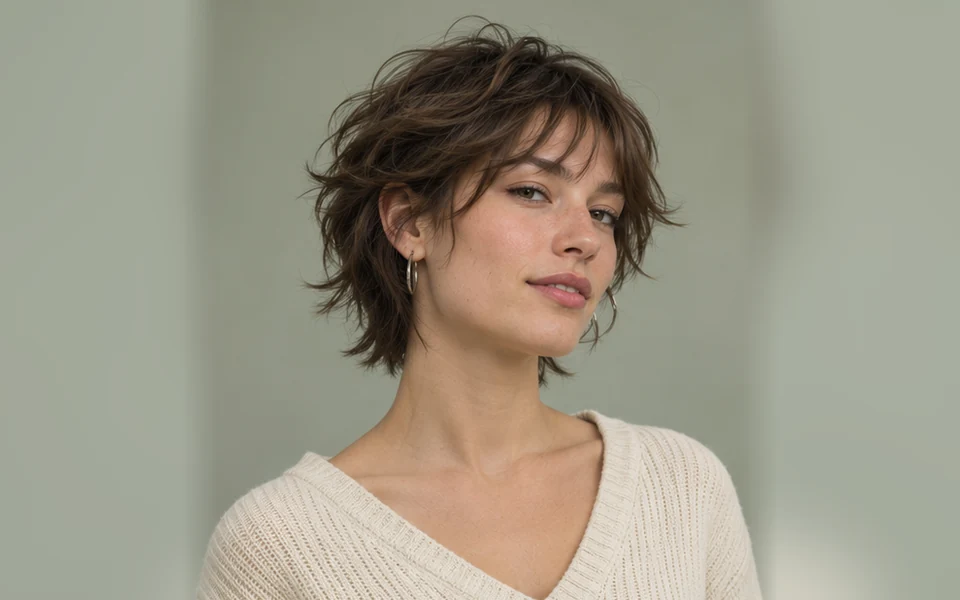
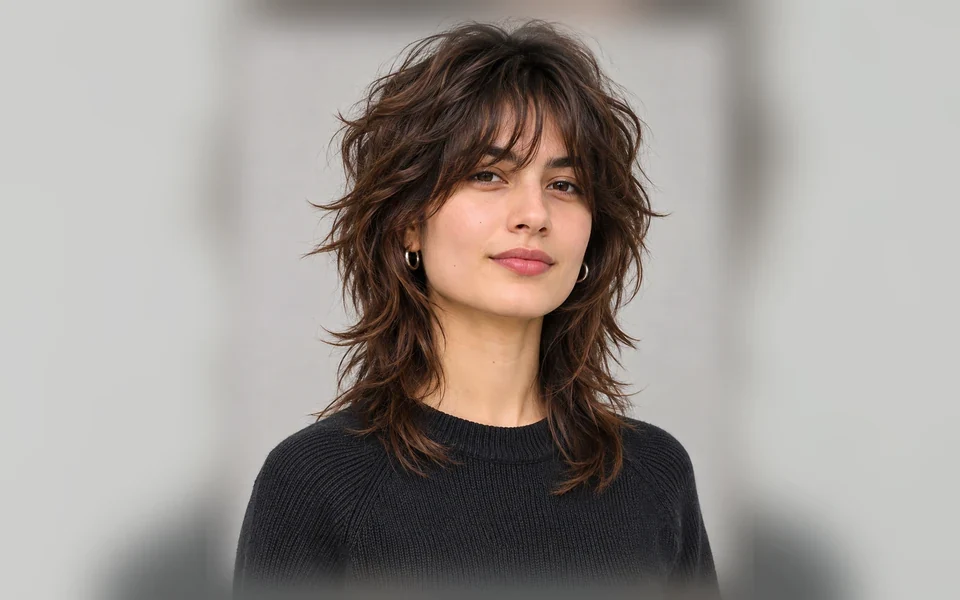
01WOLF CUT STYLEA fuller, shorter crown meets face-framing layers and a lighter-looking back. This balanced version makes the basic wolf-cut silhouette easy to recognize.
 02WOLF CUT STYLE
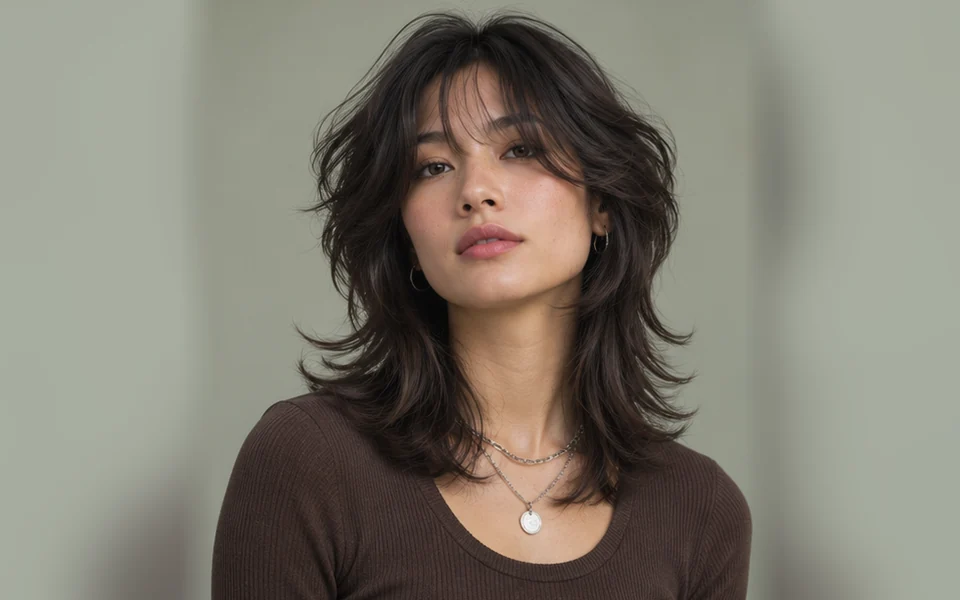
A cropped variation keeps the choppy layers and fringe but reduces the length at the nape. The outline can feel closer to a short shag, so the side photo matters.
 03WOLF CUT STYLE
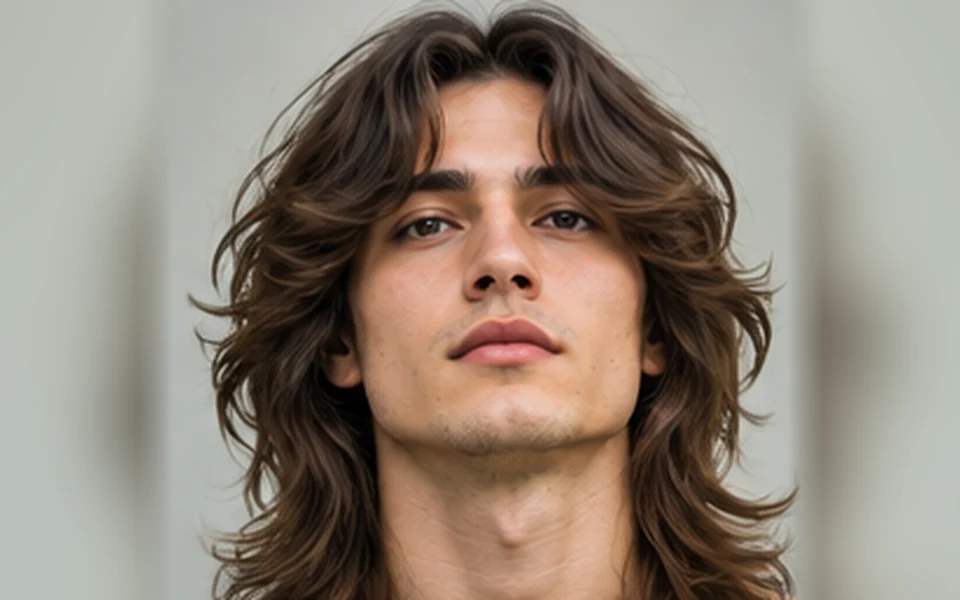
Medium lengths give enough room for lift at the crown and visible layers through the sides. It is often easier to style into a soft, loose shape without extreme contrast.
 04WOLF CUT STYLE
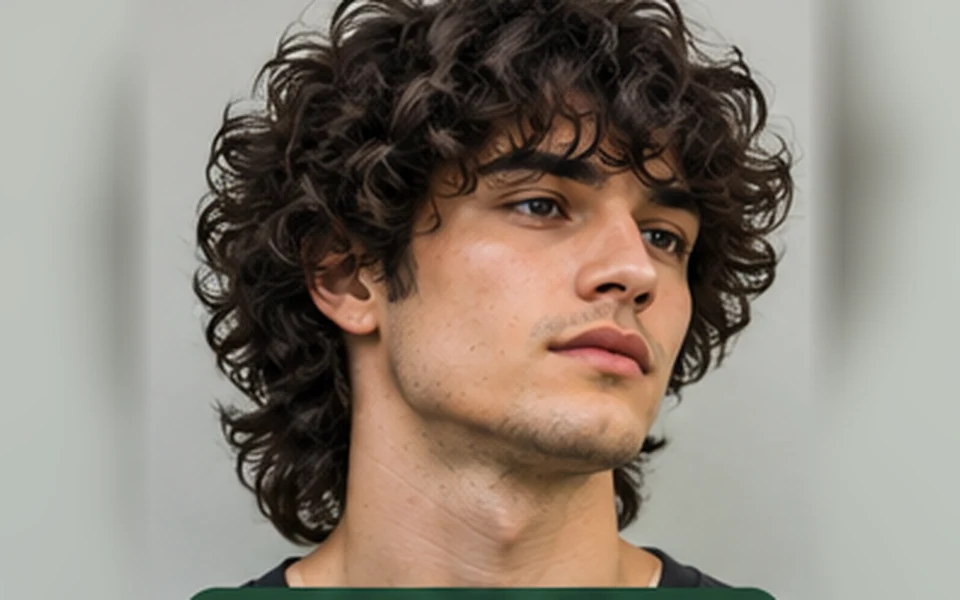
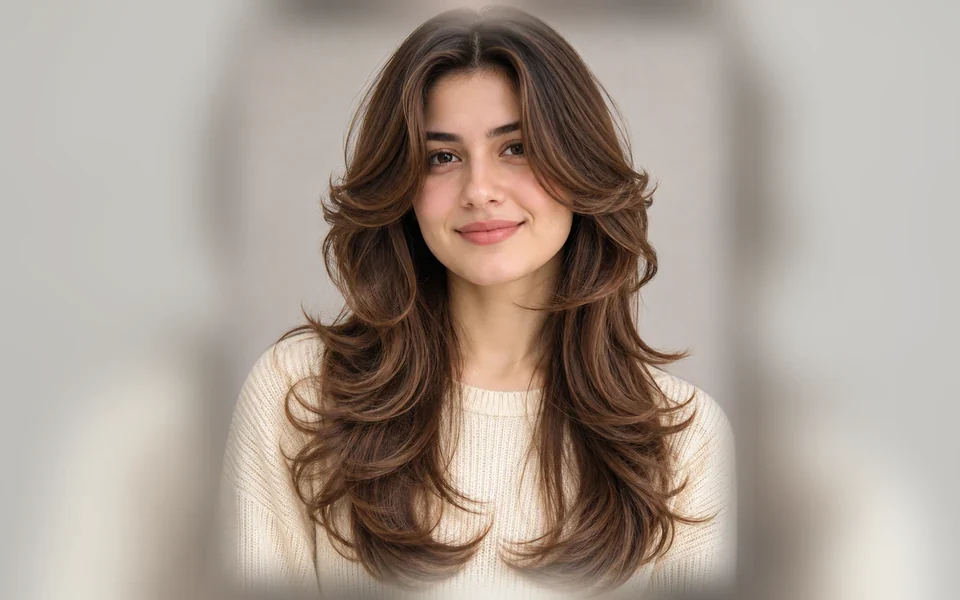
Longer hair stays through the lower sections while the upper layers create volume and framing. The transition can be subtle; not every long wolf cut resembles a mullet.
 05WOLF CUT STYLE
Curls can provide natural lift around the crown, but cutting them shorter also changes their apparent length as they spring up. The layers should be planned around the dry curl shape.
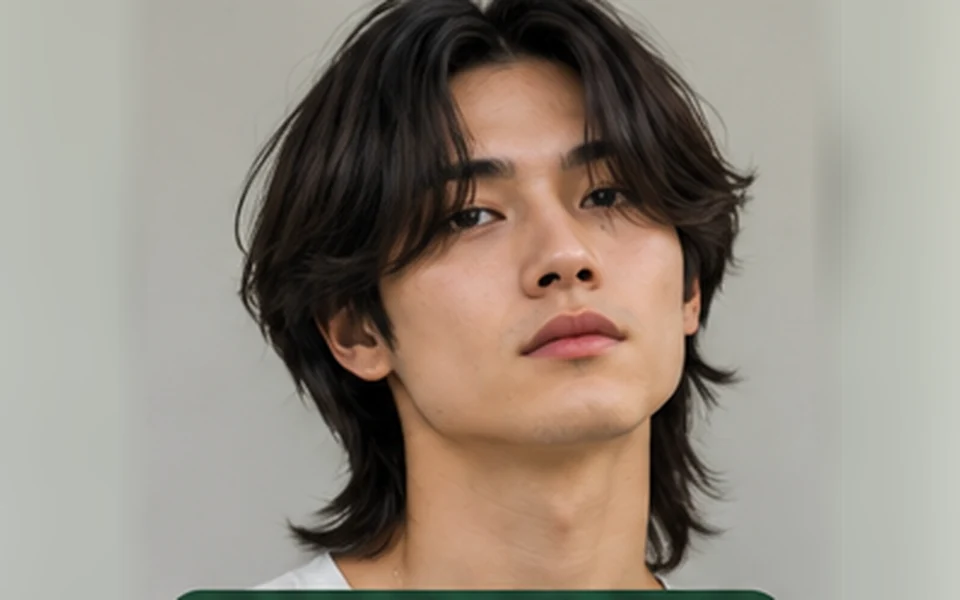 06WOLF CUT STYLE
Straighter hair makes the layer placement and wispy ends easier to see. Styling can add body, but the haircut should still have a purposeful silhouette when it is not blow-dried.
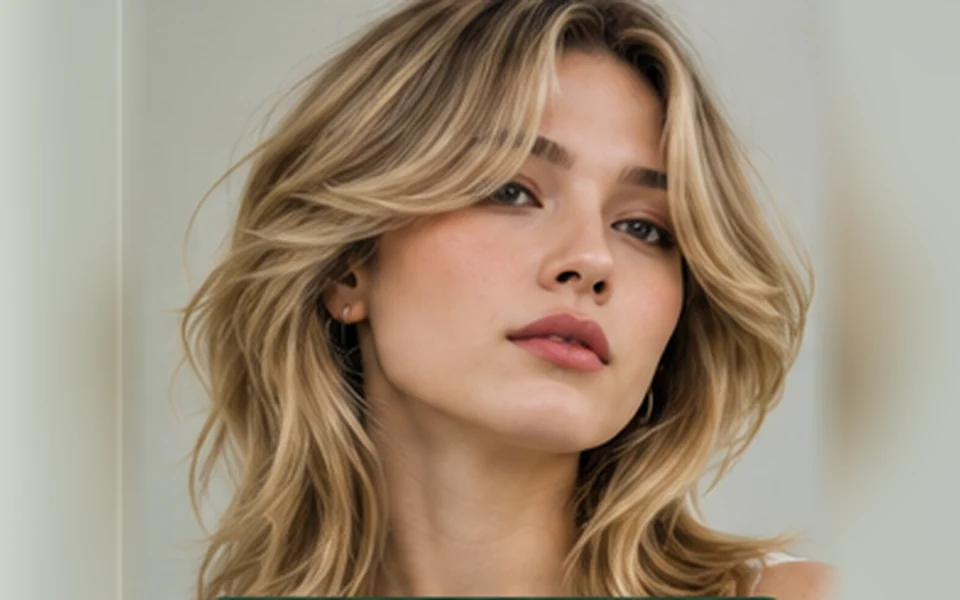 07WOLF CUT STYLE
Gentler, connected layers create a softer outline with less separation between crown and back. This is a useful direction for someone who wants movement without a dramatic shag-mullet shape.
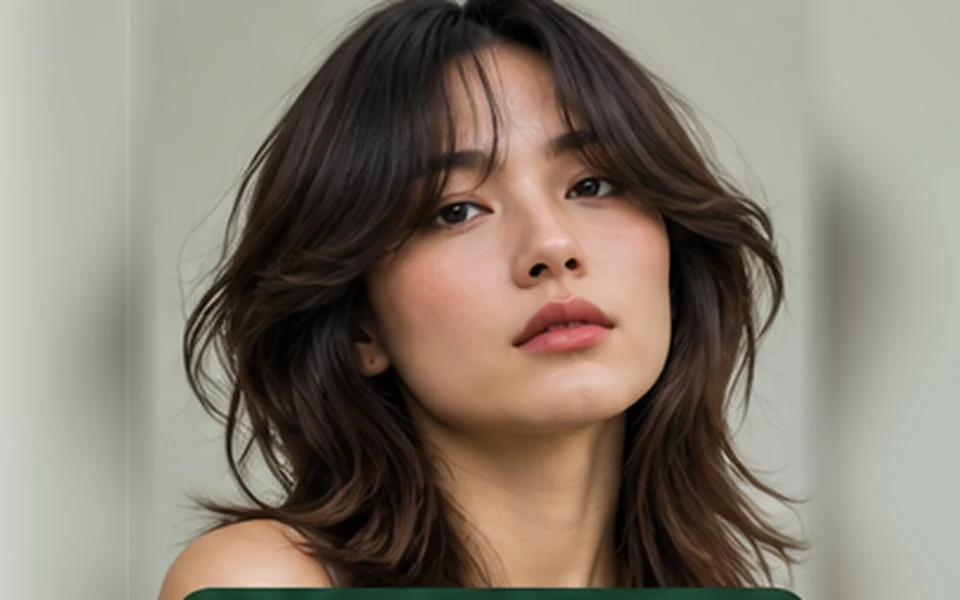 08WOLF CUT STYLE
A middle or off-center part lets longer fringe sections fall around the face. The rest of the haircut still needs upper layers and airy lower lengths to read as a wolf cut.
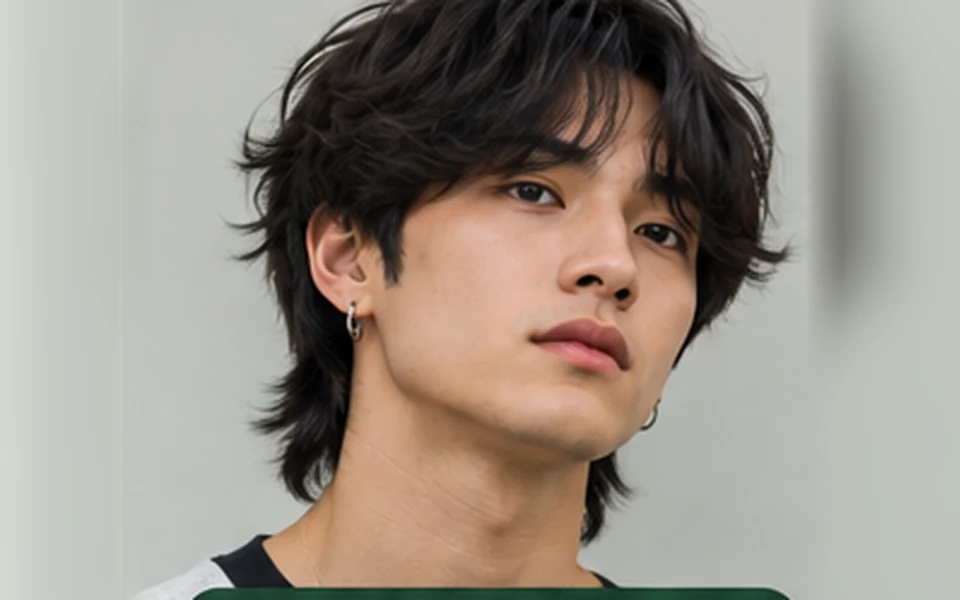 09WOLF CUT STYLE
A popular softer interpretation uses a loose fringe, feathered layers and a longer neckline. Specific names vary; show the profile instead of assuming every stylist uses the same label.
Variation names are a starting point. Compare the fringe, crown layers and neckline in a clear reference photo, then explain your preferred shape to a stylist.
04 / CUTS THAT LOOK ALIKE
A front photo can make these cuts look similar. Their main differences usually become clearer when you compare crown layers, the side silhouette and how much length remains below.
| Haircut | Upper layers | Sides / face | Back & outline | Quick clue |
|---|---|---|---|---|
| Wolf cut | Typically distinct, shorter textured layers | Face-framing layers with movement | Often lighter and longer than crown | Rounded crown plus shaggy lower silhouette |
| Shag cut | Multiple connected layers throughout | Often fuller layering around cheeks and jaw | Can be short, medium or long | Overall choppy layers, less emphasis on a long back |
| Mullet | May be short or layered | Often distinctly shorter at the sides | Length difference is central to the look | A clear short-front / long-back contrast |
| Butterfly cut | Usually longer, blown-out face-framing layers | Cascading layers around the face | Overall long length often maintained | Long, flowing shape rather than a shaggy crown |
A shag may distribute connected layers throughout, while a wolf cut often emphasizes a fuller top and shaggier, lower outline. These names can overlap, especially on medium-length hair.
A mullet is chiefly defined by the shorter-front and longer-back contrast. A wolf cut often has more face-framing, choppy layers and can be blended rather than sharply disconnected.
A butterfly cut normally preserves more flowing long length and uses feathered face-framing layers. A wolf cut typically shows a more textured crown and shaggier overall outline.
05 / MAKE IT YOUR OWN
Men's and women's wolf cuts share the same basic layer structure; the appearance depends more on hair length, density, texture and styling choices than on a gender label.
A shorter, more angular version can frame the face differently from a long, soft version. A stylist should adapt the crown layers and fringe to your growth pattern rather than copy a photograph literally.
Ask to see how the proposed shortest layer will sit when your hair is dry. This matters especially for curls, fine ends and anyone keeping significant length. A photograph of a thick, wavy wolf cut may not translate directly onto very fine, straight hair. You can still use the reference to explain the shape, then ask for fewer, longer layers if a fuller lower outline is your priority. Likewise, very dense hair may benefit from carefully distributed weight removal rather than cutting all the crown pieces extremely short.
Layer placement is visible, but volume may need intentional styling. Ask how to maintain separation without making fine ends look sparse.
Natural bends often support the cut’s movement. The stylist can distribute layers to emphasize your wave pattern instead of fighting it.
Shrinkage and spring-back matter. A curl-aware cut should be checked in the hair’s natural position, particularly around the crown and fringe.
Fine hair may need a more restrained layer plan; dense hair may need thoughtful weight removal. Density affects how full the final shape looks.
06 / IN THE CHAIR
Showing a reference picture is helpful, but the image alone does not tell your stylist where you want the shortest layer or how much length can be removed.
For short wolf cuts, confirm the nape and fringe before cutting. For long versions, establish how much total length will remain. For curly or coily hair, discuss shrinkage and cutting at the natural curl position.
“I'd like a wolf cut with shorter, textured layers around the crown, face-framing pieces and more length at the back. Please keep the layers soft rather than making a sharply disconnected mullet. I'd like the fringe and length adapted to my natural hair texture.”
Use this as a starting point. Replace “soft” with “choppy” or “more defined” if the reference has stronger separation, and agree on the finished length before cutting.
07 / EVERYDAY STYLING
The maintenance depends on your hair, not just the haircut name. A relaxed wavy finish may need little daily work, while straight hair or a defined blowout can take more effort.
Choose a cleansing and conditioning routine that leaves the hair manageable. Heavy products can weigh down fine layers, while curly hair may need more slip and moisture.
Use your fingers, a diffuser or a brush depending on the finish you want. Directing hair upward at the roots can help create lift without forcing every piece into place.
A small amount of light mousse, texture spray or cream can emphasize separation. Start with less product and increase only if your hair needs it.
The fringe and crown change shape as they grow. Discuss a maintenance interval with your stylist based on your starting length, hair growth and desired outline.
A wolf cut should grow out into a shape you still like. Rather than following a universal trimming schedule, ask your stylist when the crown, fringe and lower layers are likely to need rebalancing. If you normally wear your hair tied back, mention that before the cut: the shortest face-framing pieces may not reach a ponytail. If you prefer to air-dry, ask for a version that works with your natural wave or curl rather than requiring a blowout to look balanced.
08 / QUICK ANSWERS
Clear answers to the common questions people ask before taking a wolf-cut reference photo to a salon or barbershop.
A wolf cut is a layered haircut with volume or shorter layers around the crown, face-framing texture and typically lighter, longer-looking lengths below. The amount of separation varies from a soft shag-inspired cut to a more mullet-like outline.
Not exactly, although the terms overlap. A shag generally uses connected layers throughout; a wolf cut often puts more visual emphasis on a fuller upper shape and a longer or lighter lower silhouette. A reference photo is more precise than either name alone.
A wolf cut can borrow the longer back associated with a mullet, but it usually also has prominent layered texture around the crown and face. Some versions are quite blended, while others approach a shag-mullet hybrid.
Yes. Straight hair can show the layers clearly, although some versions need drying or lightweight styling products to create lift and separation. The cut should be planned around hair density and how much effort you want to spend styling.
Yes. Curly wolf cuts can emphasize natural movement and crown volume. A stylist needs to allow for shrinkage and check how short the layers appear when the curls settle.
A wolf cut typically emphasizes choppy crown layering and a shaggier outline. A butterfly cut typically keeps long, flowing lengths with shorter, feathered sections around the face. They can overlap when styled with volume.
Bring a front and side reference, state whether you want a soft or strongly textured version, point out your ideal fringe length, and specify how much length must remain at the back. Ask the professional to adapt the layers to your natural texture.
It depends. Wavy hair may air-dry into a lived-in shape; straighter hair may need styling for volume, and curly hair may require a curl routine. Shorter fringe and crown layers can also need more frequent reshaping.
HAVE A REFERENCE PHOTO?