
 FRONT VIEW
Find the temple edges
Look beside the forehead for the shorter corners. A front photo can show the shape-up, but it rarely proves how far the taper travels behind the ears.
HAIRCUT STYLE GUIDE
A low taper fade shortens hair gradually near the temples, sideburns and nape while keeping more length higher on the sides. It creates a tidy, usually understated outline without dictating the length or texture on top. Barbers may describe the cut differently, so the placement of the blend matters more than the name alone.
01 / RECOGNIZE THE CUT
A low taper fades hair over a small area close to the perimeter of the head. The blend is easiest to see at the sideburns, around the lower temples and at the nape.
Most of the hair above the ear remains relatively full. Unlike a broad low fade, the shortest section often does not continue as a wide band across the sides. The overall look can be discreet, even when the top is full or textured.
The word low refers to the location of the taper. It does not tell you the clipper guard, the top length or whether the shortest point touches skin. Ask about those details separately.
On curly or coily hair, the taper may stand out because the edges are much shorter than the volume above them. On straight hair, the gradient may look less dramatic unless the sides are cut quite close.
Look for the shortest blend beside the forehead and ear rather than high on the side.
Notice whether the hair keeps its fullness above the short transition.
Check for a gradual nape cleanup, unless the cut deliberately keeps a longer back.
A haircut name is helpful, but a side and back photograph explains the shape better.
02 / PICTURE GUIDE
A good haircut reference shows more than the forehead. Compare the angles below to understand which part of the haircut each view reveals. Each angle reveals a different feature of the blend.
FRONT VIEWLook beside the forehead for the shorter corners. A front photo can show the shape-up, but it rarely proves how far the taper travels behind the ears.
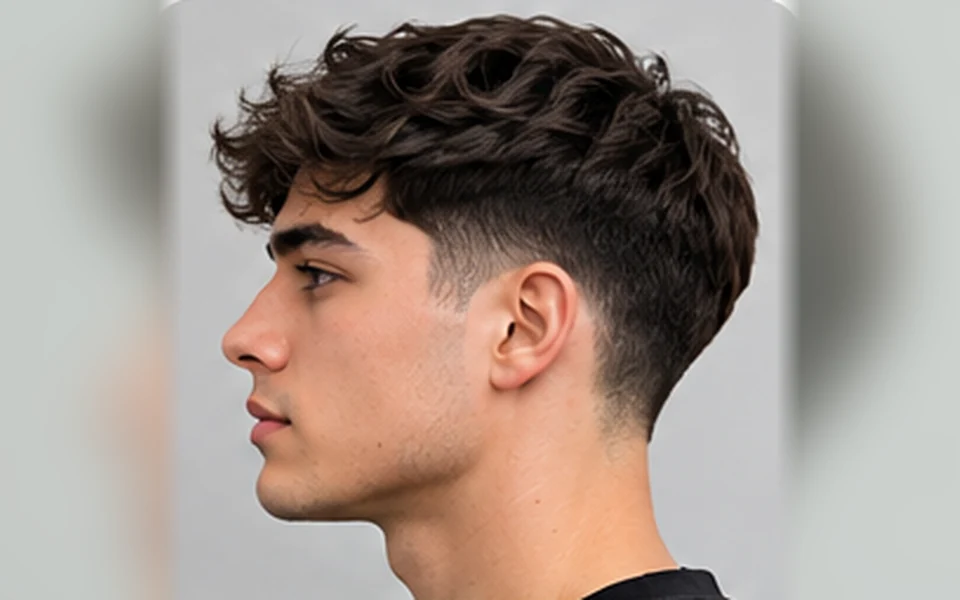 SIDE VIEW
The side is the most useful angle for comparing a localized low taper with a broader low fade. Look at the length directly above the ear.
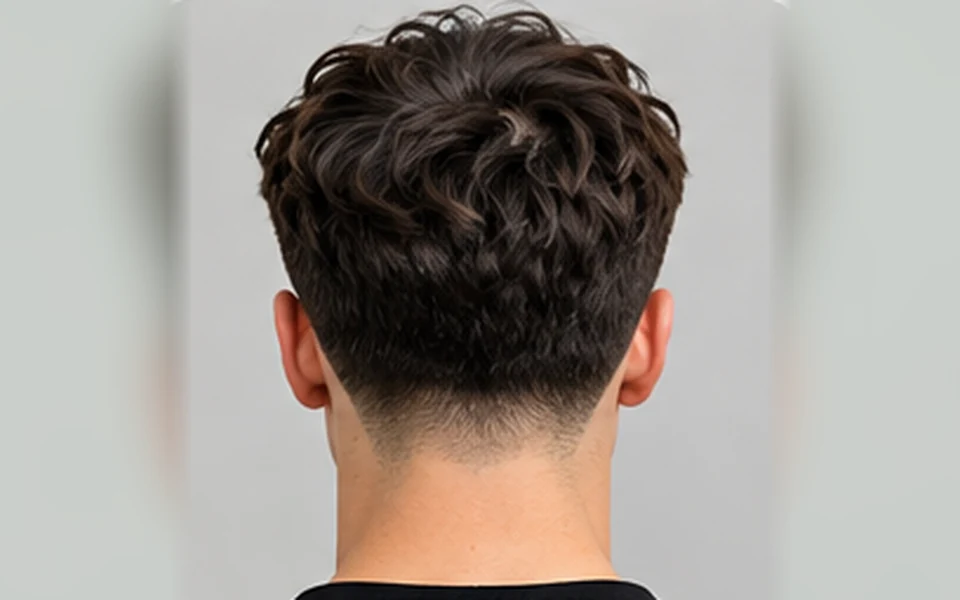 BACK VIEW
Check whether a small patch at the neckline gradually shortens or whether a much larger section of the back is faded. A longer mullet back is a deliberate exception.
A single front-facing photograph can hide the neckline entirely. If two cuts look similar from the front, compare the ear area and back before deciding what they are called.
03 / STYLE DIRECTORY
The same low edge taper can look very different when paired with a fringe, natural curls, an afro, a blowout or longer layers. Choose the top style first, then decide how subtle the taper should be.
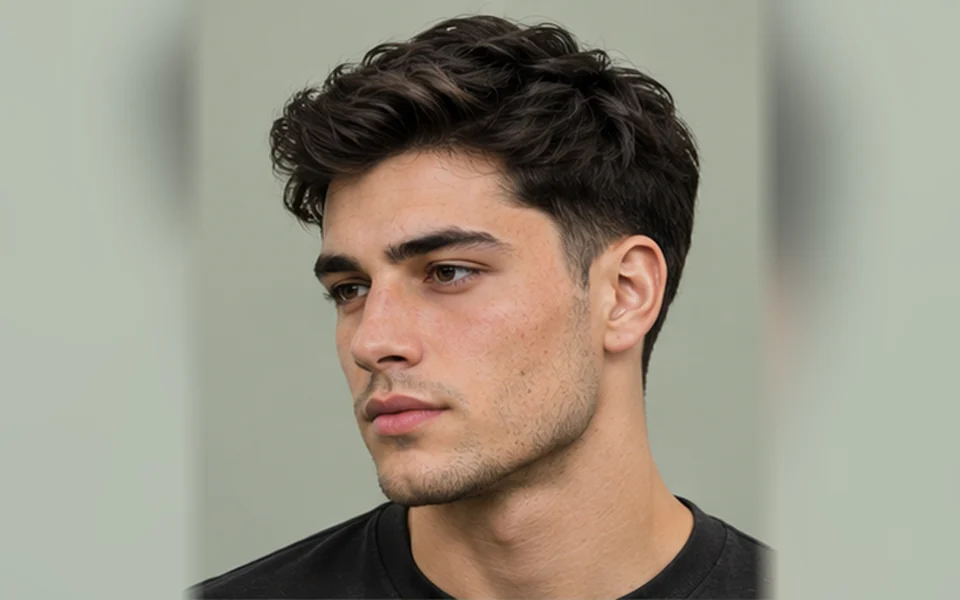 STYLE REFERENCE
Keep the top at a comfortable length and tidy just the lower temples and nape. This is the restrained version people often have in mind when they ask for a low taper.
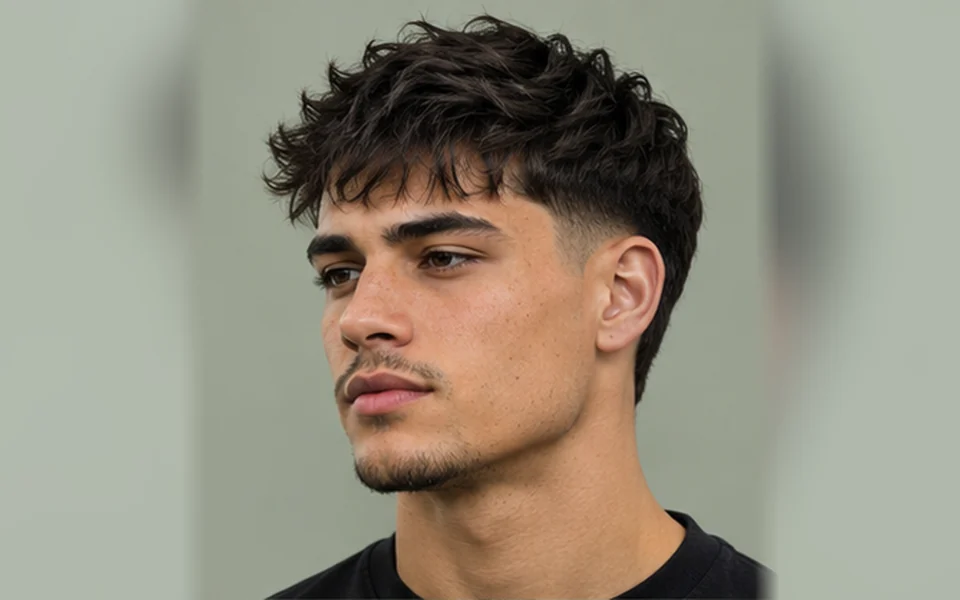 STYLE REFERENCE
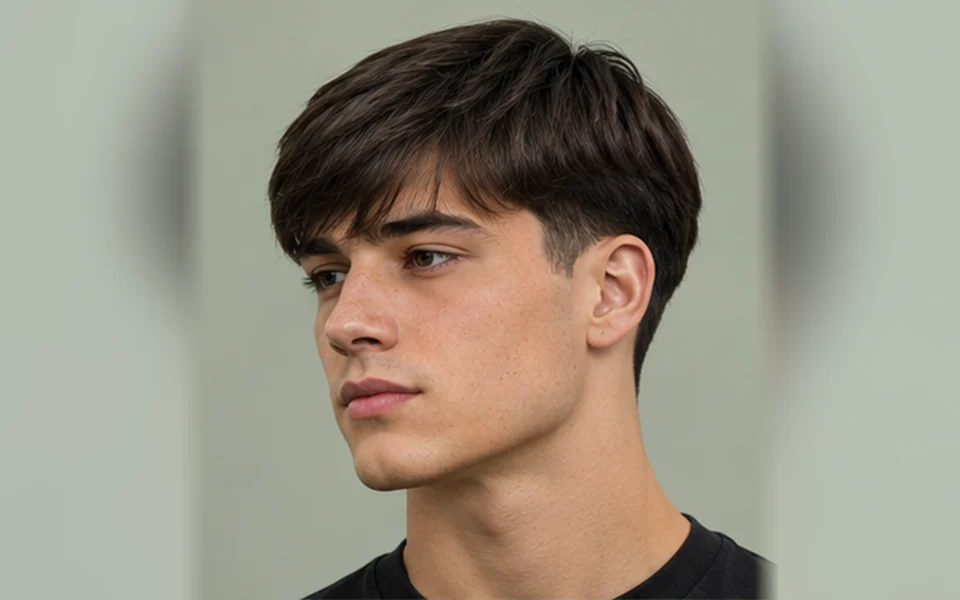
A broken-up fringe falls forward while the taper gives the sideburns and neckline a cleaner outline. Ask how much weight to remove from the front so the texture still works with your natural hair.
 STYLE REFERENCE
Straight hair makes blunt edges and length changes easier to see. A low taper can soften the hairline without cutting all the upper sides short; a little texture on top can prevent a rigid silhouette.
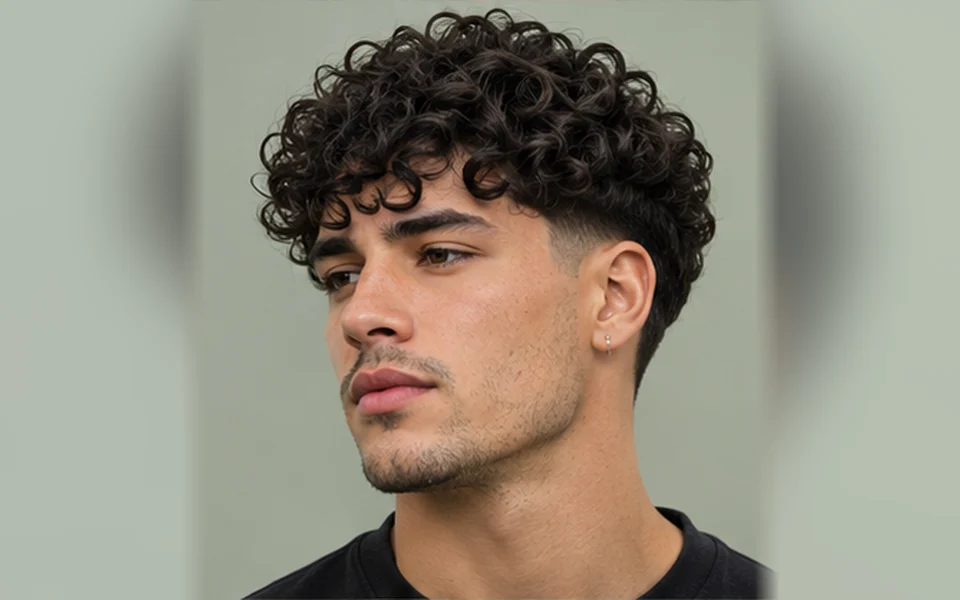 STYLE REFERENCE
The taper sharpens the outline below the curls while preserving shape through the crown. Ask the barber to judge the blend against the curls in their natural, dry-looking position because shrinkage changes apparent length.
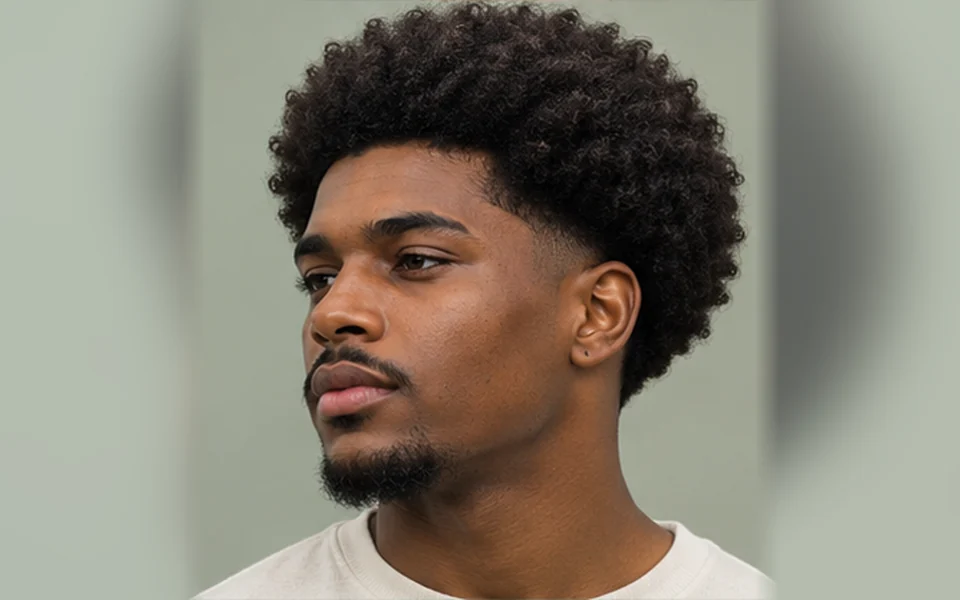 STYLE REFERENCE
A short edge taper can define the temple area and nape while retaining the full afro silhouette. Discuss how sharply you want the corners shaped and whether the neckline should be natural or outlined.
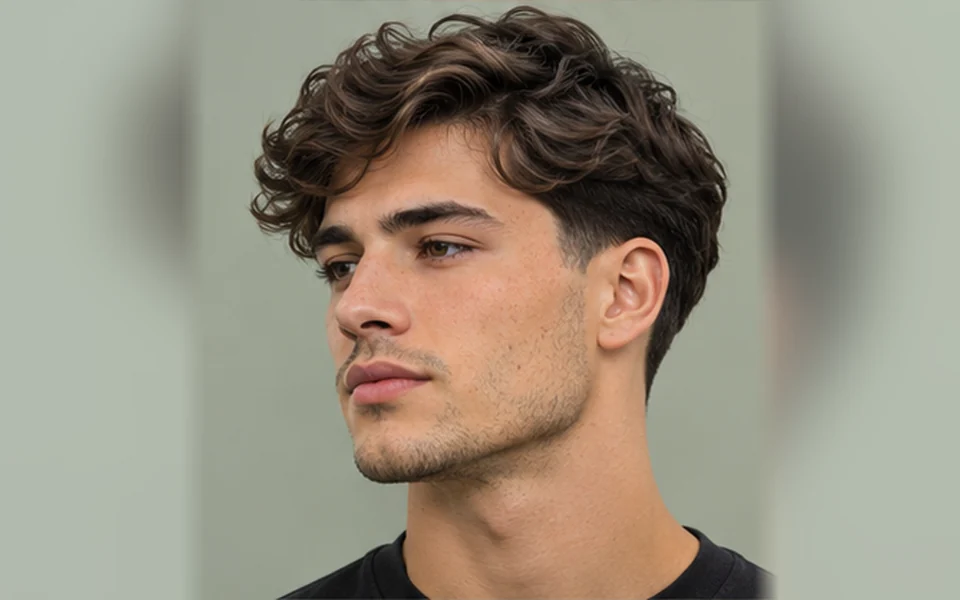 STYLE REFERENCE
Natural waves and longer movement remain visible on top and around the upper sides. A subtle low taper gives the ends of the haircut a neater finish without removing the relaxed shape.
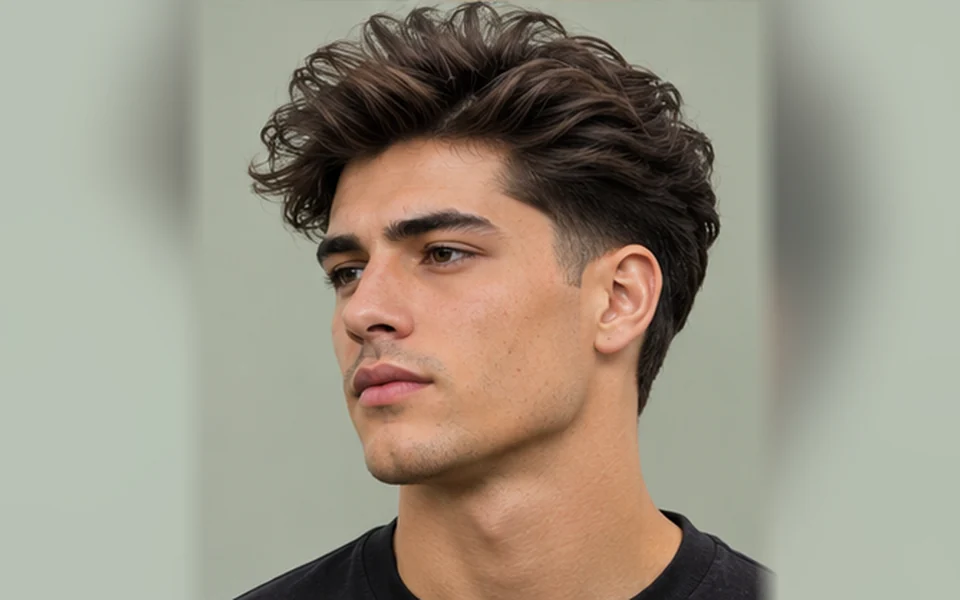 STYLE REFERENCE
The top is styled outward or upward for airy volume, while the taper keeps the sides from looking heavy at the bottom. The blowout effect comes largely from styling rather than the fade itself.
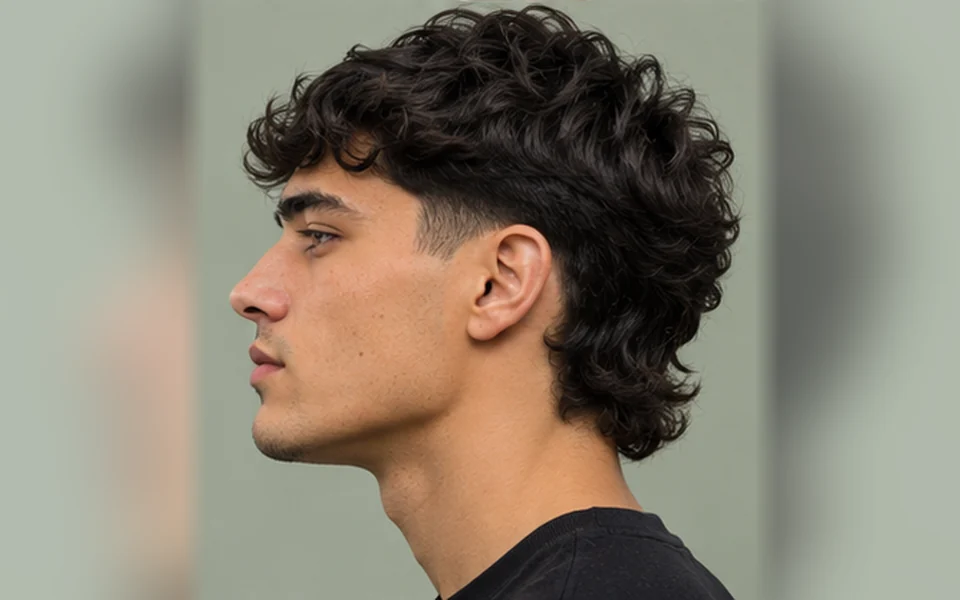 STYLE REFERENCE
A localized temple taper can sit alongside a visibly longer back. The back length creates the mullet outline; be specific about whether the nape should remain long instead of tapering it away.
 STYLE REFERENCE
Longer curtains, a side part, or loose flow can work with a small taper at the hairline. The taper should not erase the length needed for your chosen part or face-framing pieces.
These nine variations describe distinct top shapes and textures, not nine different fade heights. The photographs are AI-generated visual references, not standardized clipper settings. Use a clear reference picture to confirm the specific top shape and blend before the cut.
04 / CUT COMPARISON
A low taper and a low fade are related, but they usually differ in the extent of the blending. Higher tapers raise the transition near the edges; a skin fade describes a shortest length rather than the height.
The lightest blend stays mainly at the temples and nape, leaving the upper sides fuller.
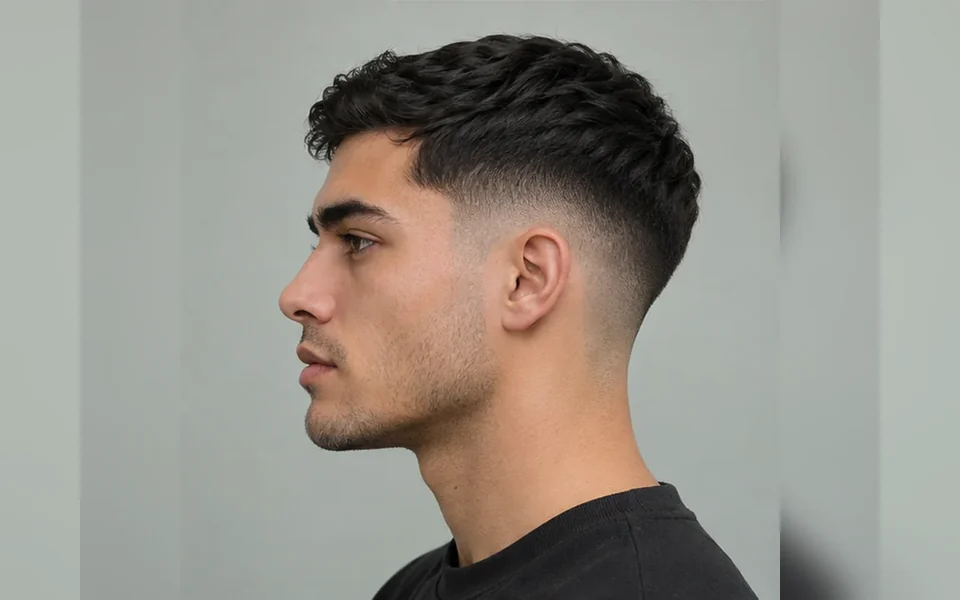
Short hair extends around more of the sides and back, even if the fade begins low.
| Haircut | Where it gets shorter | Typical result | What to check in a photo |
|---|---|---|---|
| Low taper fade | Temples, sideburns and often the nape | Subtle perimeter cleanup | Look close to the hairline |
| Low fade | Low around a broader part of the sides and back | More continuous short-to-long transition | Follow the blend behind the ear |
| Mid taper | Transition begins or extends a little higher at the edges | More noticeable edge graduation | Compare the upper temple area |
| High taper | Edge taper reaches higher around the temples | Stronger contrast near the hairline | Check the height of the shortest region |
| Skin fade | Can be low, mid or high across the sides/back | Finishes at bare skin | Look for true skin at the shortest point |
Barber terminology varies by region and shop. Some barbers call a localized edge taper a “taper fade.” Show the exact blend area you want rather than relying only on the label.
Read our complete taper vs. fade comparison06 / DAILY LIFE
The fade is the short blended edge. Most of your daily styling depends on what you leave on top, so there is no single product or routine for every low taper fade.
For a textured fringe, use a small amount of a suitable light styling product and shape the front. Waves may need a lightweight cream; curls and coils may benefit from moisture and gentle definition. Avoid applying heavy product to freshly clipped edges.
The crisp outline softens as the hair grows. Some people choose a cleanup every two to four weeks; others prefer a more natural grow-out. A touch-up may focus only on the nape and temples rather than cutting the whole top again.
Straight, wavy, curly and coily textures can all work with a low taper. Density, crown growth, hairline shape and preferred top length affect the final result. A barber can adjust the blend instead of forcing every head into one template.
The price of a low taper fade depends on the barbershop, location and services included. Ask for the haircut price and any beard or styling add-ons before the appointment.
07 / COMMON QUESTIONS
Short, practical answers to the questions that usually come up when identifying or requesting this haircut.
A low taper fade is a haircut with a short, gradual blend near the temples, sideburns and usually the nape, while more length remains higher on the sides. The top can be short, curly, wavy, coily or long.
From the back, a typical low taper has a small area of shortened hair at the neckline that blends into fuller hair above. On a mullet-inspired version, the back may be kept longer and only the temple edges tapered.
Not always. A low taper generally focuses on the edges, while a low fade usually extends across more of the lower sides and back. Barber terminology varies, so show a side and back reference image.
Yes. A low taper can be combined with straight, wavy, curly and coily hair. The barber adjusts the shape and blending to your hair density, curl pattern and preferred length.
There is no fixed lifespan. The sharply defined edge softens as hair grows, sometimes noticeably within a couple of weeks. A small neckline cleanup may be enough between full cuts if that matches your preference.
Some people prefer a touch-up every two to four weeks, while others let the softer taper grow for longer. The right interval depends on your hair growth, starting length and how crisp you want the outline.
Ask for a low, soft blend around the temples and nape, keeping more weight above the ears. Specify whether you want any visible skin, how to shape the neckline, and how much hair to keep on top. Show a reference image if possible.
Pricing varies by city, barbershop, service time and any extra styling or beard work. Ask for the current haircut price before your appointment rather than assuming a universal low-taper price.